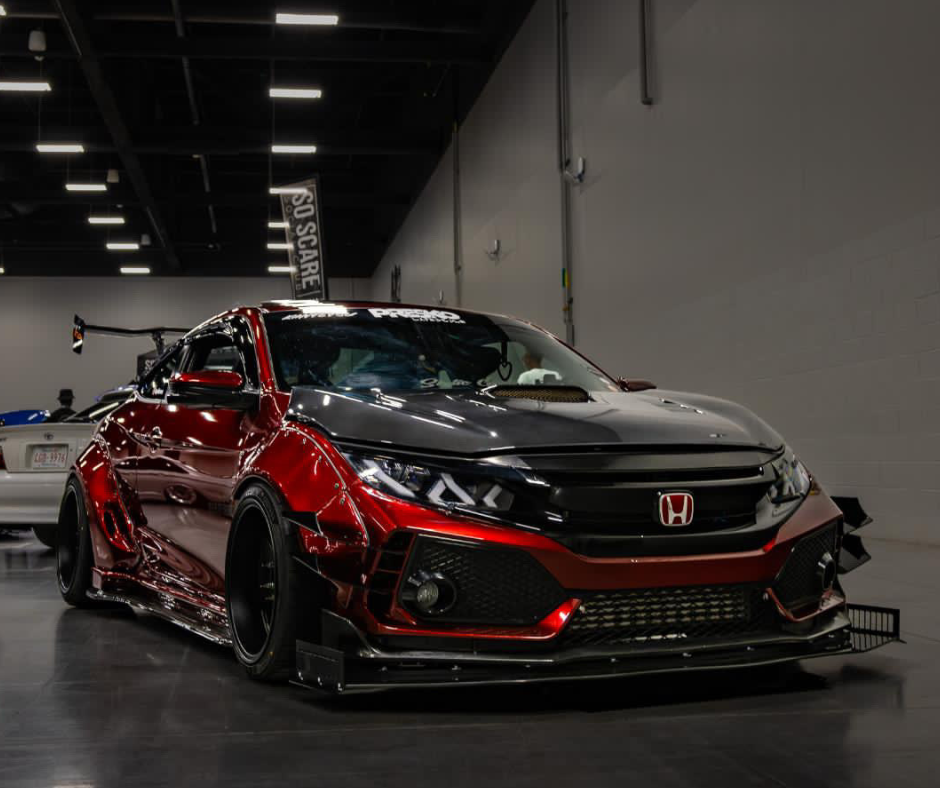
Japskie Nuval | 29 | Calgary, AB, Canada
@Japzkieeeee
One Car, One City, No Compromises
My name is Japskie Nuval, I'm 29, and I'm based out of Calgary, AB. Calgary's a good city for car culture but it's not exactly kind to a slammed build, and I'll get to that. The winters are brutal, the roads downtown are rough, and if you're running low you feel every single crack. But that's home, and I'm not moving the car anywhere.
This is the only car I have. Just the Civic. People ask if I've got a daily or a second build tucked somewhere, and the answer's no. It's always been this one. From the beginning, what pulled me toward it was how easy it is to customize, how much room there is to shape it into something that's genuinely 1 of a kind. That was never a vague idea either. It was the actual goal from day one, to build something that doesn't look like anything else out there, and that's what every decision since has been pointed at.
What people don't always see when they look at the car now is how many times it came apart to get here. Four engines deep, plus a hailstorm in Calgary that very nearly ended the whole thing. Most people would've called it there. But each time it went down, we learned something: about what the car could take, about where the tune was wrong, about how far you could actually push before it stopped pushing back. That history is in the car. You don't get to where this build is without it.

Never Stock; One of a Kind
I never wanted to leave it stock. Part of it is practical, the platform just invites it, everything fits, everything has an aftermarket solution already figured out by someone else before you. But the bigger part is that I had a picture in my head from the beginning of something that didn't exist yet. One of a kind isn't a style; it's a direction, and once you commit to that you're pretty much obligated to keep going until the car matches what you imagined.
The mechanical and visual side both came from the same place: track focus first, show car second, sleeper underneath all of it. Those three things pull against each other a little, which is what makes it interesting to figure out. The interior reflects that, seats and harness bar up front, rear delete to keep it clean and purposeful. The engine reflects it too. Fully built, fully done, tuned specifically for how I drive it rather than just how hard it can go on paper.
The online side fed the early years more than I'd probably admit. Kevmannz and Two Step Performance were the places I kept coming back to when I was researching, less for browsing and more for actually understanding what I was dealing with. You absorb a certain standard from that; what a serious build looks like at each stage, what corners aren't worth cutting. It shaped how I approached things without me really noticing until later.
What I want people to take from my build is simpler than the car itself: don't rush it. Better outcome always takes more time than you planned for.

Nothing Half-Done
Engine
-
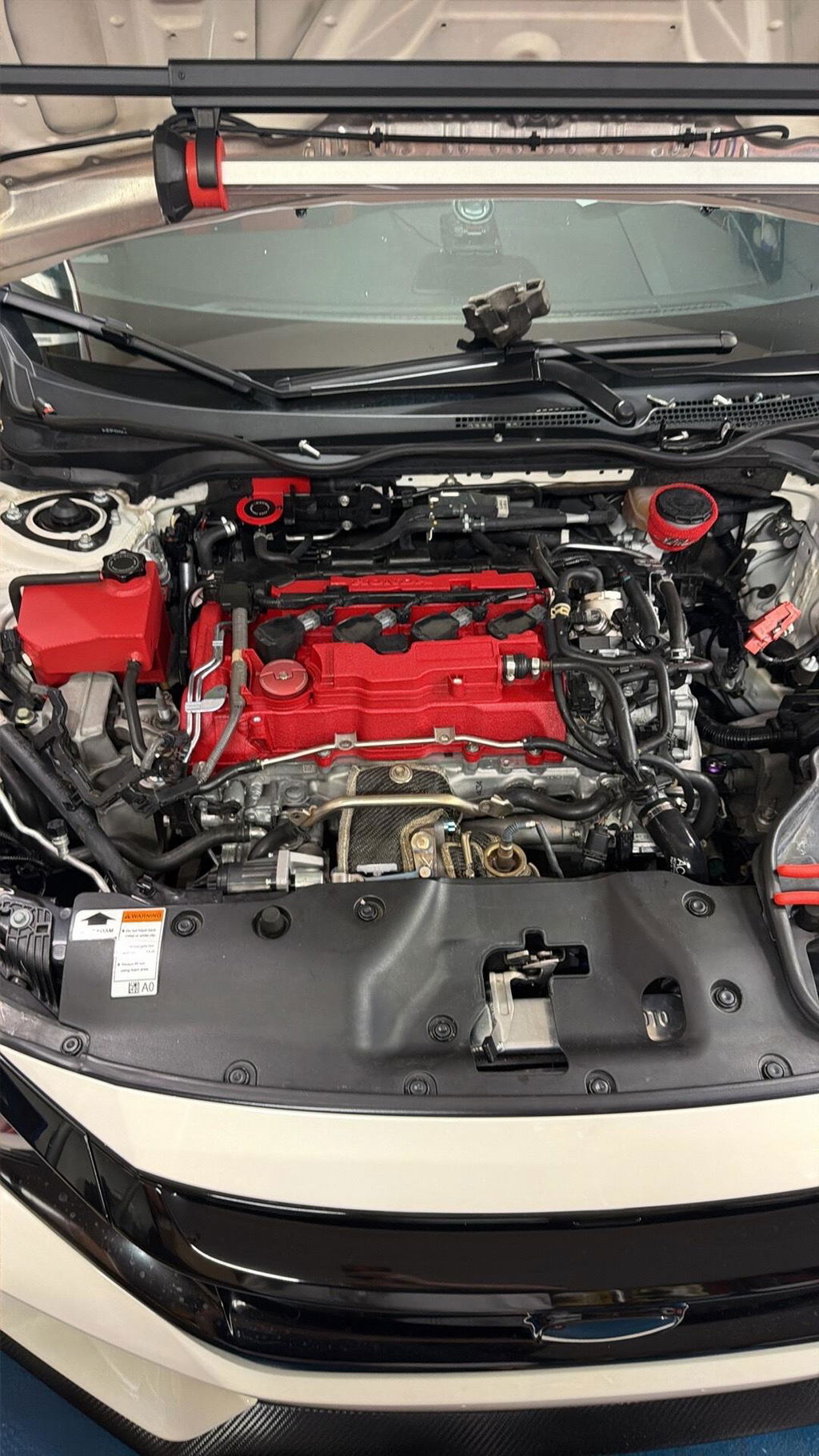
TSP Built L15B7
- TSP x ARP L15 Head Stud Kit
-
27WON Cold Air Intake (Race MAF)
-
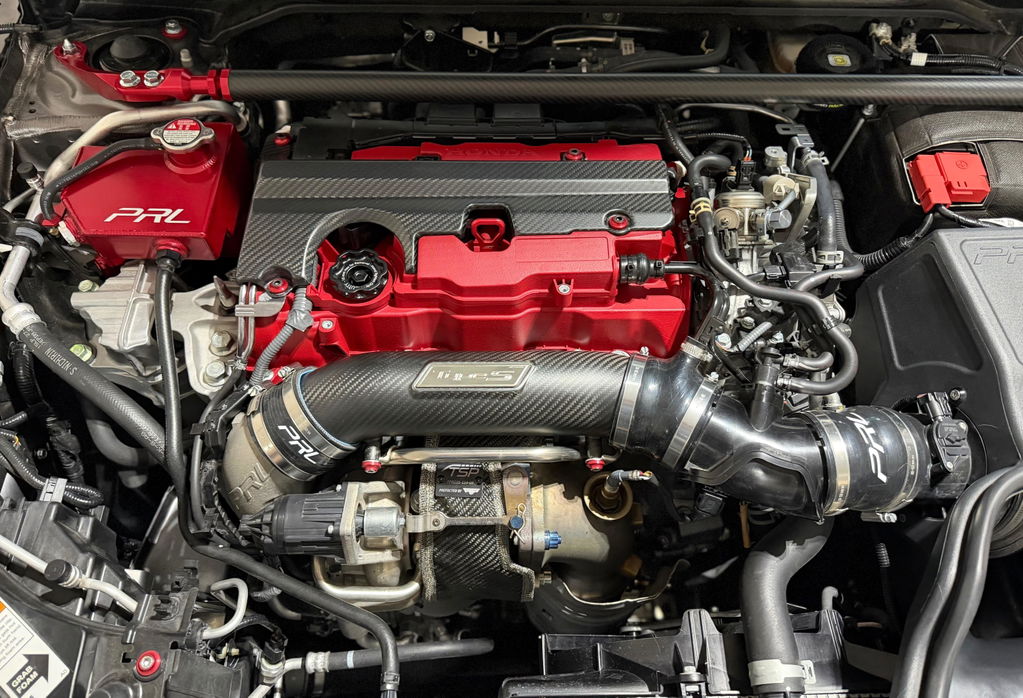
27WON Turbo Inlet Pipe
- 27WON W2 BB Turbocharger
-
PRL Front Mount Intercooler
- PRL Charge Pipes
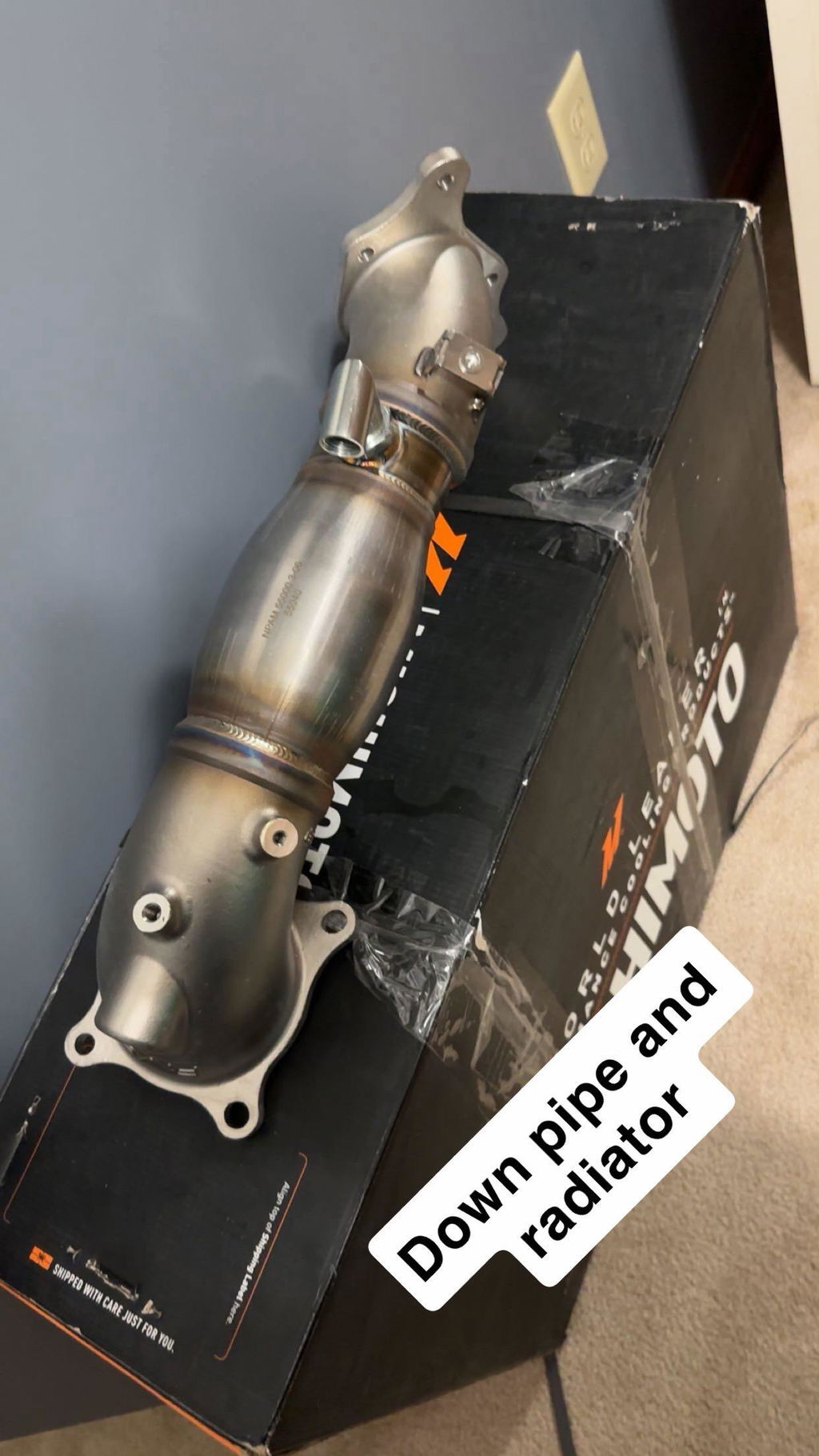
- PRL Front Pipe
- TSP High Efficiency Downpipe
- Wunderladen Oil Catch Can
- Hondata FlashPro w/ Custom Tune
-
MSD Ignition Coil Packs
- Acuity Podium Oil Cap
- Custom Built Oil Cooler
- Custom Frontpipe Back Exhaust
Drivetrain
- ACT Heavy Duty Race 6-pad Clutch Kit
- PRL Braided Clutch Line
- Acuity Shifter Cable Bushings
- Custom Built 6-Speed Transmission
- Racing One CV Axles
Suspension
- SPC Rear Camber Arms
-
Skunk2 Pro-ST Coilovers
- Tanabe Front Strut Tower Bar
Interior
- AEM Boost Gauge
- Acuity Short Throw Shifter
- Acuity ESCO-T6 Shift Knob
- Kyostar Steering Wheel Hub
- Momo Custom Steering Wheel
- Momo Track Racing Seats
- Rear Harness Bar
- Rear Seat Delete
Exterior
- 27WON Big Brake Kit
- AVS Window Deflectors
- Custom Built 71" Carbon Fiber Wing
- Rota 5STAR Wheels 18x12 -20
- Kevmannz Oversized Widebody Kit
- Custom Built Diffuser
- Custom Built Headlights w/ Demon Eyes
- Custom Built Hood Risers
The short block came from TSP, and everything built around it followed the same logic. The engine is fully built, the transmission is fully built, and the tune gets dialed in specifically for wherever I'm running that day. My tuner doesn't just load a map and send me out. Different track, different tune. That relationship matters as much as any individual part.
Inside, the Momo track seats put me where I need to be, and what stays is quality. The build had to hold up under scrutiny from people who know engines and also read well to people who just see it in a lot, and getting both right without compromising either one is what the whole build came down to.

The Piece That Changed Everything
The anti-lag is where the build shows what it is. When the boost kicks in, the car gets hard to handle, and that's not a complaint, that's just what this build does. Having a short block that can take that kind of stress repeatedly, across different tracks, with different maps loaded in, means I'm not babying it. The engine holds, and the tuner can push the calibration further because there's actual headroom to push into. That combination is what turned this from a fast civic into something that earns its setup.
What I didn't fully appreciate before is how much one right part clarifies everything around it. Once the short block was sorted, the decisions downstream got easier. The tune had direction. The transmission work had something to match. The whole drivetrain started pulling together instead of each piece working against the others. That's the kind of difference that's hard to put a number on at the dyno but easy to feel once you're on a track and the car is doing exactly what you asked it to do.

Four Engines Later
The hail damage was a different kind of loss. That wasn't pushing limits, that was just Calgary deciding to remind you that the car lives outside the controlled environment you build it in. Getting it back from that took work that had nothing to do with performance and everything to do with not letting the build die before it was finished. There's a version of this car that doesn't exist because it got totaled in a parking lot. That version is gone and I kept going anyway.
The roll cage is still on the list. Half committed, half waiting on the right time. Everything else came in order when it needed to.
Where the Build Stands Now
I used to hit the track regularly, back when the sponsorship situation made that easier. That window closed, and the circuit changed along with it. Now it's invitation-only events and private meets, which suit where the build is anyway. You're not showing up to those unless someone already knows what you've done, so the car has to do the talking before you even pull in.
What I hear most at events isn't questions about specs. People want to know how I got here, what the process looked like, where it started. That's the part that seems to stick with them. The crowd at invitation-only events tends to already understand that a build worth talking about didn't happen in a season.

The Case for a Full Cage
If budget weren't a factor, I'd go further with the interior too. Custom bucket seats built for kids so they can enjoy the car too. The seats would close out the interior the way the engine build closed out the bottom end, everything matching the intent instead of some pieces matching and others left stock by default.
The car is show and invitational right now, so none of this is urgent. But I'd rather plan it right than throw something at it.
Don't Rush to Finish
If you're starting on a Civic build, the first thing I'd say is don't rush to finish. That's not something you hear enough. People want it done so they can show it, and they end up making decisions based on what's available right now instead of what's right for the car. You compromise once and you're living with it until you pull it back apart, which costs more than waiting did.
Last thing, and this one people skip, is document everything. What you ran, what tune, what conditions, what broke and why. If something goes wrong (and something will go wrong), that record is how you figure out what happened instead of just guessing. Builds that go sideways aren't always a bad tune or a bad part. Sometimes it's because nobody wrote anything down and the second person doing the work had no idea what the first person did. That history matters a lot more than people think it does while things are still going well.

The People Behind the Parts
Everything on the car gets done at the shop. That's not about not knowing how to turn a wrench. It's about having the right space, the right lift, and people around you who've seen what can go wrong when a job gets rushed. When you're building something to this level, you want it done properly, and doing it properly usually means not doing it in a driveway.
For parts, Two Step Performance is the main stop. Kevzman is the other site I'm on consistently. The rest is just research, forums, spec sheets, whatever helps me understand what I'm putting on the car before I commit to it. I don't buy blind. If I can't explain why a part is going on the build, it's not going on the build.
Family and friends mostly stay out of the technical side. They show up, they see the car, and they follow the progress. The support is there without anyone pretending to know more than they do, which is its own kind of respect.
What Survives When You Don't Quit
The car means more now than it did when this started, and it means something different too. It's not just a build I'm proud of, it's proof of what survives when you don't quit on it. After everything that happened, the hail, the engines, the bad tunes, what I'm left with is a car that came back from what should have finished it. That changes how I see it every time I look at it. "Dead to a new born rising star" is how I put it, and I still think that's the most accurate way to describe where it stands now.
It's for show and private meets only at this point, which actually feels right. It earned that. I'm not driving it through potholes downtown just to prove something, it goes out when it means something. When people see the car now, they're not asking about specs, they're asking about the journey. The questions are about process, about how we got here, and that tells me the build is communicating what it's supposed to.
What I didn't expect is how much it would influence other people. Guys come up and tell me watching this build made them believe they could finish theirs. I'm not trying to be anyone's blueprint, but if seeing someone push through four engines and a near-total and still come out with something worth winning awards over gives someone else permission to keep going, that's something I'll take. The fact that it's pulling other people into building what they actually dream about, that part matters more than any of it.

 Want to be featured next? Email